Design Systems at Scale
Lessons learned from building and maintaining design systems across multiple products.
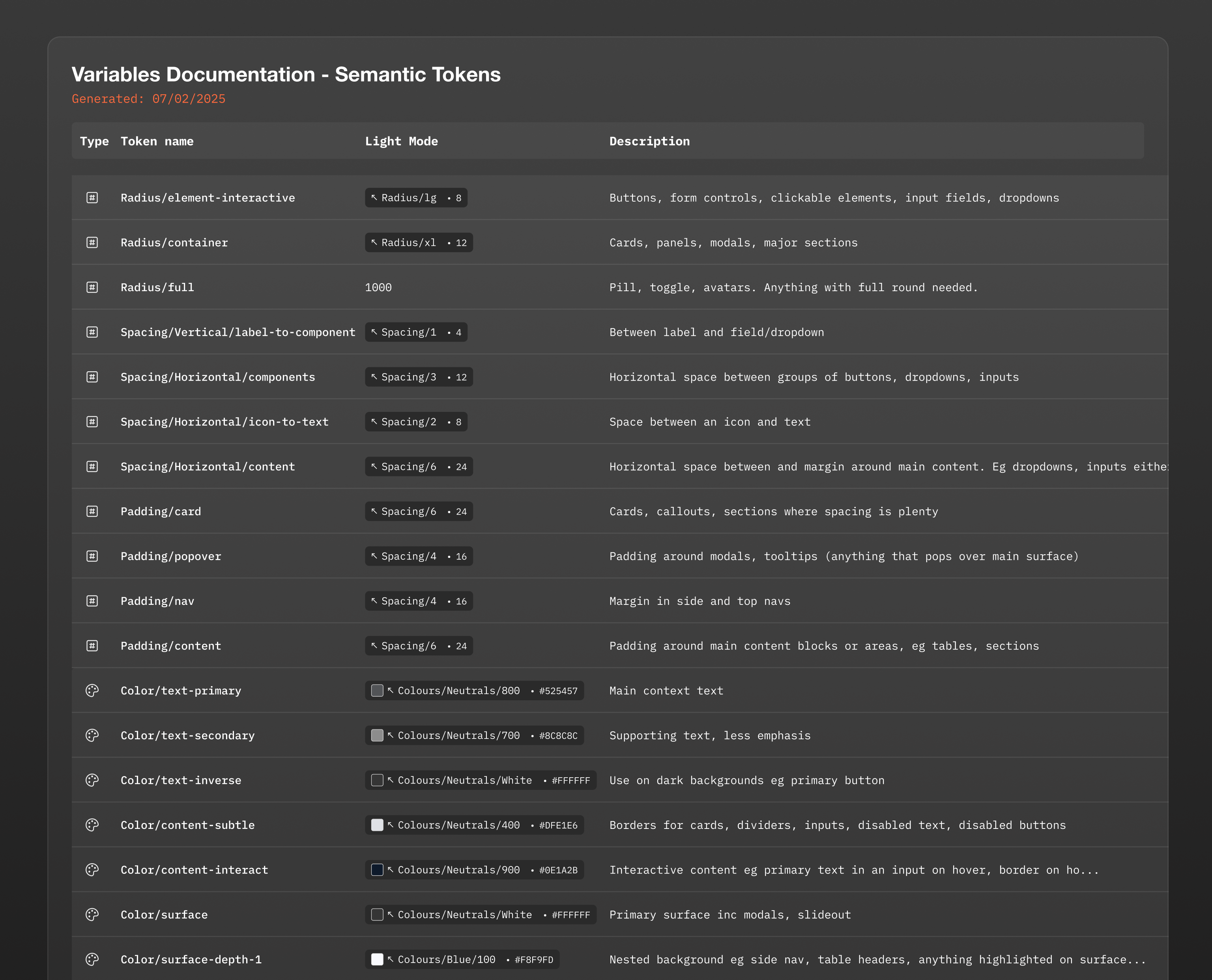
Building a design system is one thing. Maintaining it across multiple products, teams, and years is another challenge entirely.
After leading the design system initiative at CultureAI and Thirdfort, I've learned that the technical implementation is often the easy part. The real challenge lies in governance, adoption, and evolution.
A design system isn't a project with a finish line—it's a product that serves other products. It needs its own roadmap, its own stakeholders, and its own measures of success. Without this mindset, even the most beautifully crafted component library will gather dust.
The most successful design systems I've seen share common traits: they're built with clear principles (not just patterns), they have strong documentation that explains the "why" not just the "what," and they evolve based on real usage data rather than hypothetical ideals.
Perhaps most importantly, they're built by people who understand that design systems are fundamentally about enabling others—reducing friction so that designers and developers can focus on solving user problems rather than reinventing buttons.